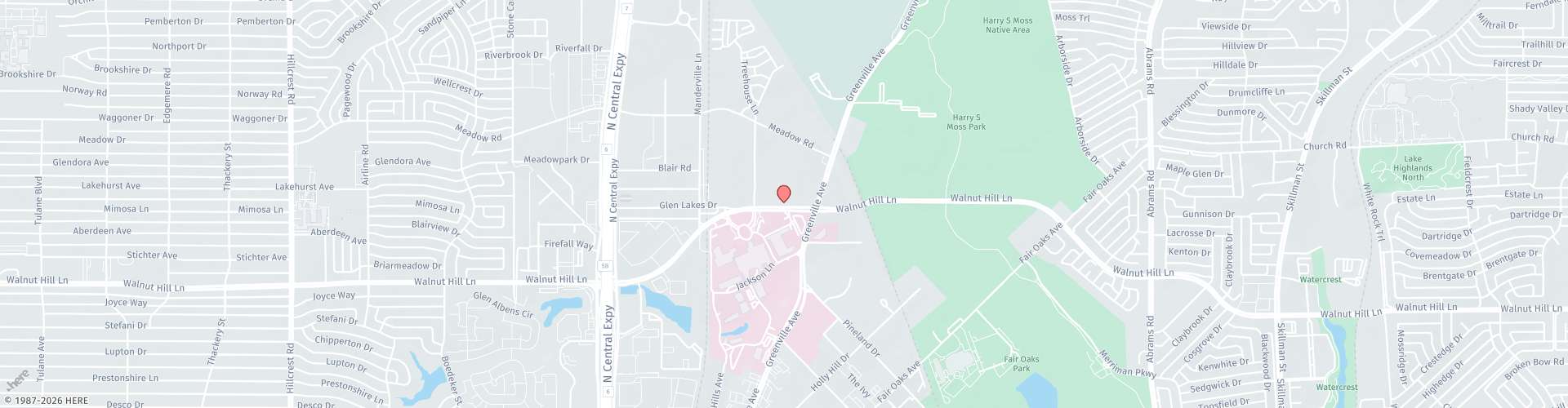
Serving Dallas, TX, Farris Plastic Surgery is led by Dr. Zachary Farris, a double board-certified plastic surgeon and Fellow of the American College of Surgeons. His training included a plastic surgery residency at Albert Einstein College of Medicine–Montefiore, where he later worked as an assistant professor, researcher, and educator.
How Does a Facelift Work?
Depending on the technique used, a facelift can treat sagging in the central and lower face and may also address the neck. During surgery, the skin is elevated, deeper supporting tissue is tightened, and excess skin is removed.
The procedure can help with:
- Jowls and a poorly defined jawline
- Loose skin on the face or neck
- Fallen facial tissue
- Significant creases around the mouth
- Neck banding or fullness beneath the chin
This approach offers a greater degree of correction because it works beneath the skin. Dr. Farris may perform a full, mid, or mini facelift based on the areas you want to target.
What Does FaceTite Do?
FaceTite delivers radiofrequency energy beneath the skin through incisions that are only a few millimeters long. The energy heats tissue to encourage tightening and melts localized fat, which may be removed with a small liposuction cannula.
It’s commonly used around the lower face, jawline, jowls, and submental area beneath the chin. It can be a good fit if you have mild or moderate laxity but don’t need the deeper correction that surgery offers. FaceTite can tighten and contour the lower face and neck, but it doesn’t reposition or extract tissue in the same way a facelift does.
How Do Recovery Times Compare?
Facelift recovery involves more swelling, bruising, and activity restrictions. Most visible swelling and bruising typically improve during the first couple of weeks, though you might need about six weeks before a major social event.
FaceTite generally has a shorter recovery of about two to ten days, with improvement continuing for three to six months. Exercise and strenuous activity may remain restricted for three to four weeks.
Which Procedure Is Right for You?
FaceTite might make sense when your concerns are relatively mild, and you prefer smaller incisions and less downtime. A facelift is usually better suited for pronounced jowling, loose skin, or deeper tissue descent.
Your anatomy, desired degree of correction, and recovery preferences all matter. An in-person evaluation can clarify whether either procedure, or a combination of facial treatments, fits your goals.
Explore Your Facial Rejuvenation Options in Dallas
Changes along your cheeks, jawline, and neck don’t always require the same approach. To discuss FaceTite and facelift surgery with Dr. Zachary Farris, contact us at Farris Plastic Surgery in Dallas, TX, or call 214-363-1073.